Boost your research success in business studies and economics
The ZBW Open Economics Guide shows you how to use Open Science methods and tools – such as Open Access and Open Data – to make your research more efficient and visible!

Introduction to Open Access
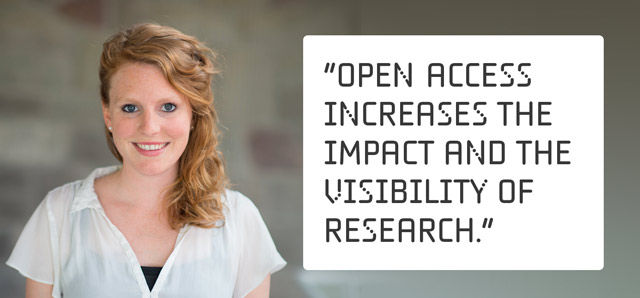
Making research visible.

Introduction to Open Data
Making research verifiable.

Introduction to Open Code
Making research transparent.

Introduction to OER
Making teaching better.
This is how Open Science works in research practice!
Free Open Science Tools
A whole range of free and useful Open Science tools are available to support you in making your research even more efficient. Take a look at our tool catalogue!
New Blog Posts
Stay up to date with the latest tips and tutorials on Open Science.
Travel Guide to Open Science: a Peer-to-Peer Publication for Business Studies
Open Science encompasses a wide range of approaches, methods and practices,...
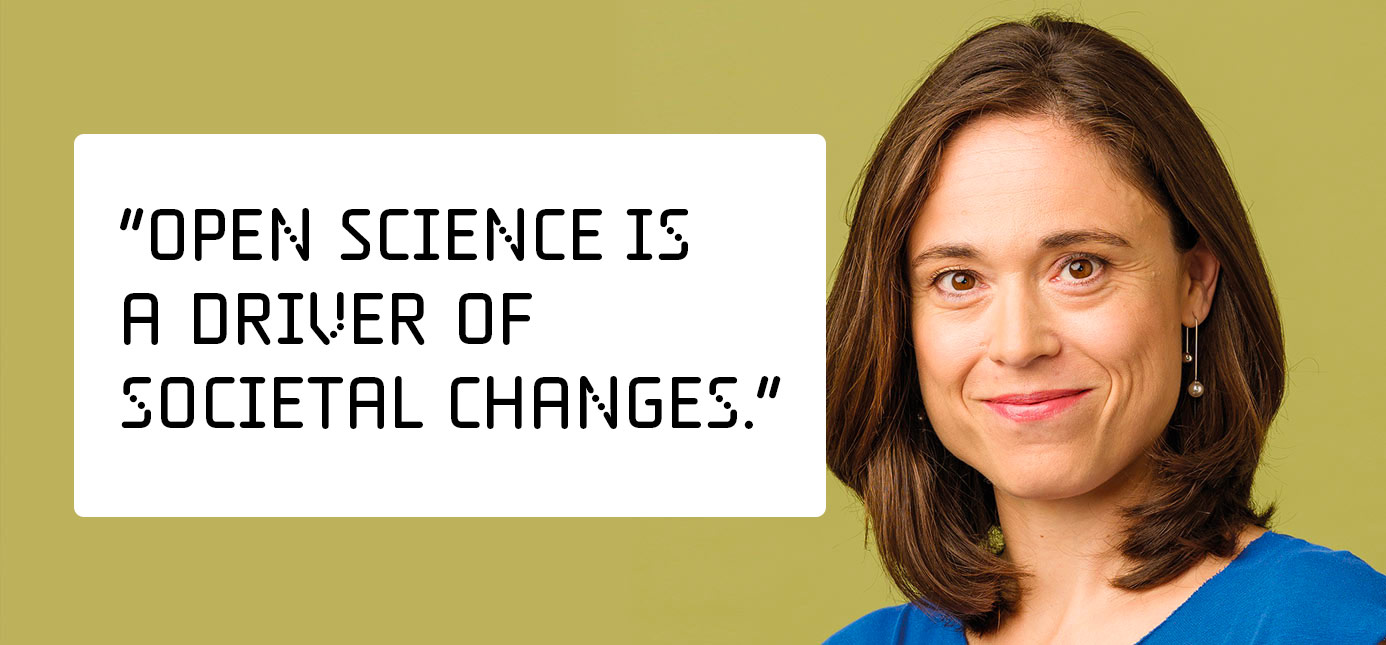
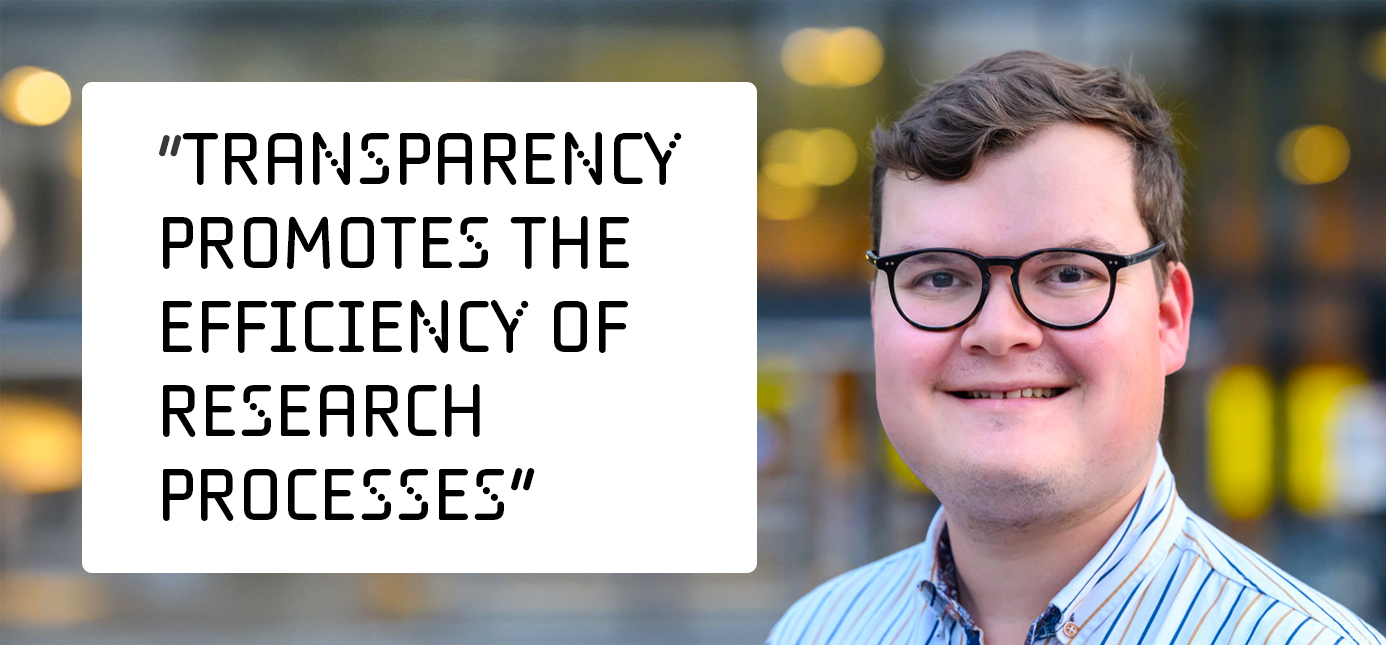
Open Science in Practice
Researchers' inside reports from their everyday life.

Open Science Events
Conferences, seminars, webinars, online panels and more!
Introduction to Record Linkage (2026)
This in-person workshop provides a comprehensive introduction to record linkage for practitioners across diverse scientific disciplines, including medicine, the social sciences, and economics. It addresses the fundamental methodological challenges of record linkage, particularly data quality, classification error, and privacy protection. Participants will gain a practical understanding of these challenges and the conceptual foundations required to address them effectively. Special emphasis will be placed on privacy-preserving record linkage (PPRL), which aims to enable accurate linkage while safeguarding sensitive personal information. The workshop concludes with a hands-on computational demonstration in R that illustrates selected approaches. These include probabilistic record linkage based on the Fellegi-Sunter model and privacy-preserving techniques employing Bloom filters.
Turning PDFs into Research Data
Do you ever feel that the data you need for your research is accessible but it’s not in a convenient table, such as company reports or building plans? Perhaps the information you need is spread out across many different documents? If only we could read and extract structured data from thousands of written documents. In this course, we explore how to accomplish this task by combining web scraping, Optical Character Recognition (OCR), and Natural Language Processing (NLP). Over four weeks, we provide online lessons and interactive sessions to learn the fundamentals of these key technologies.
The course includes 4 live Online Meetings, in which you will discuss the week’s contents with the instructor and fellow participants.
Contact
Do you have questions about Open Science or suggestions for our guide?
We look forward to hearing from you!